In a nutshell: Transforming religious education into an engaging experience, these twelve interactive strategies replace rigid drills with natural, play-based learning. From tactile puzzles to sensory memory games, these methods help parents foster a deep connection between their children and the Quran without the stress of traditional rote memorization.
You sit down, open the Mushaf, and within five minutes, your child is staring at the ceiling. As a parent, this moment often brings a wave of guilt.
You want them to love the Word of Allah, but the traditional method often feels like a battle. The goal isn’t to turn the Quran into entertainment, but to align our teaching with how children naturally learn.
When we use purposeful activities, we remove the intimidation factor of a foreign language. Let’s look at how we can transform your study sessions using structured, respectful strategies.
1. The Whiteboard Eraser Method for Memory Quran Learning Games
Memorization (Hifz) can feel overwhelming when a child looks at a full page of text. It looks like an impossible mountain.
This game breaks that mountain down into pebbles. It relies on a concept called “vanishing cues,” where you gradually remove help until the brain takes over.
Get a small whiteboard and write out a short Surah or a single Ayah you are working on. Let’s take Surah Al-Ikhlas as an example. Read it together with your child three times while pointing at the words.
“قُلْ هُوَ اللَّهُ أَحَدٌ”
“Qul huwa Allahu ahad”
“Say, ‘He is Allah, [who is] One'”
Now, ask your child to pick one word to “erase.” Wipe it out, but leave the blank space. Ask them to recite the whole verse again, filling in the missing word from memory. Repeat this process, erasing a new word each time.
Eventually, you are staring at a blank whiteboard, and your child is reciting the entire verse perfectly. They usually get so excited about choosing which word to erase next that they don’t realize they are doing heavy repetition drills.
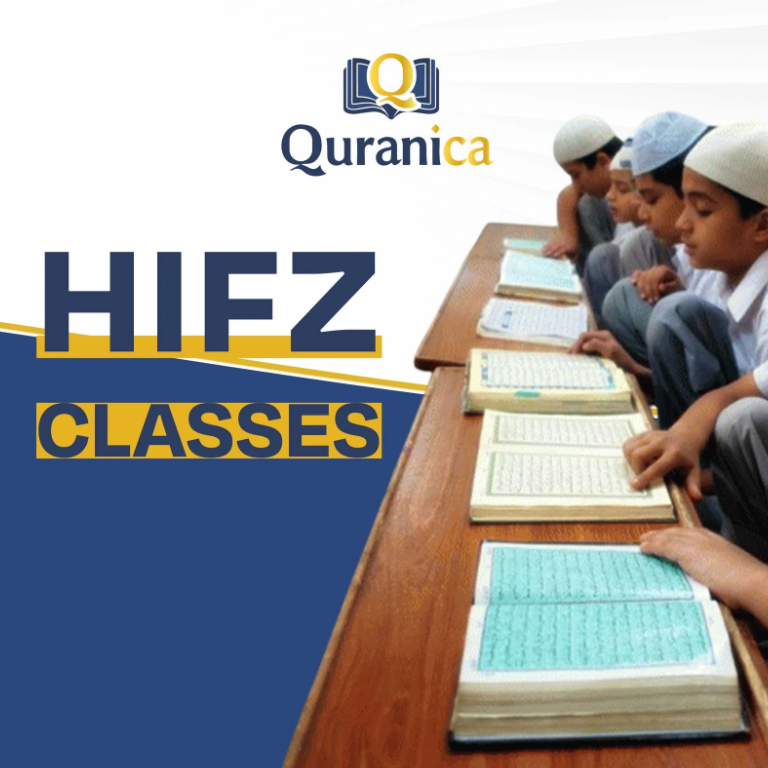
It’s a technique we use daily in our Quran Hifz Classes for Kids. We find that when children focus on the “game” of filling in the blanks, the anxiety of memorization disappears, and they naturally start retaining longer passages without the tears.
Enroll Your Kid Now in Quranica’s Hifz classes for Kids
Read Also: How Long Does It Take To Learn The Quran?
2. Puzzle Sorting for Tactile Quran Learning Games
A common frustration for parents is when a child knows the verses individually but cannot get the order right. They jump from the first Ayah of a Surah to the middle of another because the rhymes sound similar. We call this “Ayah-Jumping.”
To stop this, we need to engage their logical brain. Print out the Surah you are memorizing on a piece of cardstock in a large font. Cut the paper into strips so that each strip contains exactly one Ayah.
Mix them up on the table. Your child’s job is to physically arrange the “Quran Puzzle” in the correct order. This is powerful because it separates the task of recalling the words from the task of ordering them.
3. Role Reversal for Confidence in Quran Learning Games
Nothing empowers a child more than being the expert. In my classes, we intentionally make mistakes to see if our students catch them. Their eyes light up when they get to correct “The Teacher.”
Sit on the floor and tell your child, “I’m going to recite, but my memory is a bit tired today. I need you to be the Sheikh/Sheikha and stop me if I mess up.”
Recite a Surah they know well, but make obvious errors. Swap a word, or use a light sound instead of a heavy one.
When they catch you, don’t just say “Good job.” Ask them why it was wrong. “Oh! It’s short? There is no Alif there? Thank you for teaching me.” This forces them to articulate the rule, which solidifies it in their own mind far better than just hearing it from you.
Read Also: Quran Learning Tools For Kids
4. The Jannah Builder Using Blocks in Quran Learning Games
Children love tangible progress. Reciting into the air can feel abstract—they can’t “see” what they have accomplished. This game uses their favorite building blocks (Legos, wooden blocks, etc.) to visualize their reward.
We base this on the concept that reciting Quran builds our home in the Hereafter. Place a pile of blocks between you. For every Ayah they recite correctly, they get one block to add to their “Palace.”
If they struggle with a verse, they don’t get the block yet. Help them fix it, and then let them place the piece. By the end of the session, they haven’t just memorized half a page; they have built a castle. This physical representation of effort is incredibly satisfying for a young mind.
5. The Secret Password for Daily Quran Learning Games
If you want to take the pressure off “sit-down” time entirely, try the Password method. Choose a very short phrase or Ayah that you are working on. This becomes the “Password” for the day.
To get a snack, to open the iPad, or to go out to the backyard, they have to whisper the password to you.
Keep it light and fun. If they forget it, whisper the first word to help them.
“بِسْمِ اللَّهِ مَجْرَاهَا وَمُرْسَاهَا”
“Bismillahi majraha wamursaha”
“In the name of Allah is its course and its anchorage”
This works effectively because it utilizes “spaced repetition”—frequent, short bursts of recall throughout the day, which is scientifically proven to be better for long-term memory than one long, grueling session.
Read Also: How to Learn Reading Quran?
6. Emotion Matching for Expressive Quran Learning Games
One of the advanced goals of reading the Quran is Tadabbur (reflection) and reflecting the mood of the verse in our voice. We don’t want robotic reading; we want reading with heart.
This game teaches emotional intelligence alongside Arabic. Pick two short Surahs with very different vibes.
- Surah An-Nasr (Joyful/Victorious): “إِذَا جَاءَ نَصْرُ اللَّهِ وَالْفَتْحُ” “Idha jaa nasru Allahi wal-fath” “When the victory of Allah has come and the conquest”
- Surah Al-Qari’ah (Intense/Serious): “الْقَارِعَةُ. مَا الْقَارِعَةُ” “Al-qari’ah. Mal-qari’ah” “The Striking Calamity. What is the Striking Calamity?”
Write distinct emotions on pieces of paper (Happy, Scared, Serious, Gentle) and put them in a bowl. Have your child pick one. They have to recite the verse matching that emotion.
If they pick “Happy” and recite Al-Qari’ah, stop them and ask, “Does this sound like a happy verse?
Listen to the words ‘Crash’ and ‘Scatter.’ Let’s try a ‘Serious’ voice.” This teaches them that the sound of the recitation must match the meaning of the message.
7. Drawing the Meaning as Creative Quran Learning Games
For visual learners, words can feel abstract. If you are teaching a Surah that tells a story, bring out the crayons. This works exceptionally well for Surah Al-Fil (The Elephant).
Read the Surah to them in Arabic, then explain the story of Abraha and the birds.
“أَلَمْ تَرَ كَيْفَ فَعَلَ رَبُّكَ بِأَصْحَابِ الْفِيلِ”
“Alam tara kayfa fa’ala rabbuka bi-ashabi al-feel”
“Have you not considered, [O Muhammad], how your Lord dealt with the companions of the elephant?”
Ask them to draw the scene while listening to the recitation on loop. They might draw the big elephant stopping, or the flock of birds in the sky.
Once the drawing is done, point to the elephant in their picture and ask, “Which word is this?” (Al-Fil). Point to the birds. “Which word is this?” (Tayran).
This anchors the Arabic vocabulary to their own artwork. It turns the Quran from a text to memorize into a scene to visualize.
8. Balloon Pop Challenges as Active Quran Learning Games
One of the biggest hurdles for non-Arab children is distinguishing between similar-sounding letters.
The difference between a light “Seen” (س) and a heavy “Saad” (ص) often sounds identical to an untrained ear, but the meaning changes entirely based on that thickness.
You can’t just tell a child “make it heavy.” You have to make them feel the weight of the letter.
We use the “Heavy Letter Balloon” game to fix this. Blow up a balloon and tell your child they have to keep it in the air, but they can only tap the balloon when they pronounce a “Heavy Letter” correctly from the verse you are practicing.
If you are reciting Surah Al-Fatiha, for example, they have to catch the letter Saad in “As-Sirat” (The Path).
“اهْدِنَا الصِّرَاطَ الْمُسْتَقِيمَ”
“Ihdina as-sirata al-mustaqeem”
“Guide us to the straight path”
Tell them that Saad is a big, full-mouth letter, so they have to hit the balloon harder. When they hit a light letter, they should barely touch it.
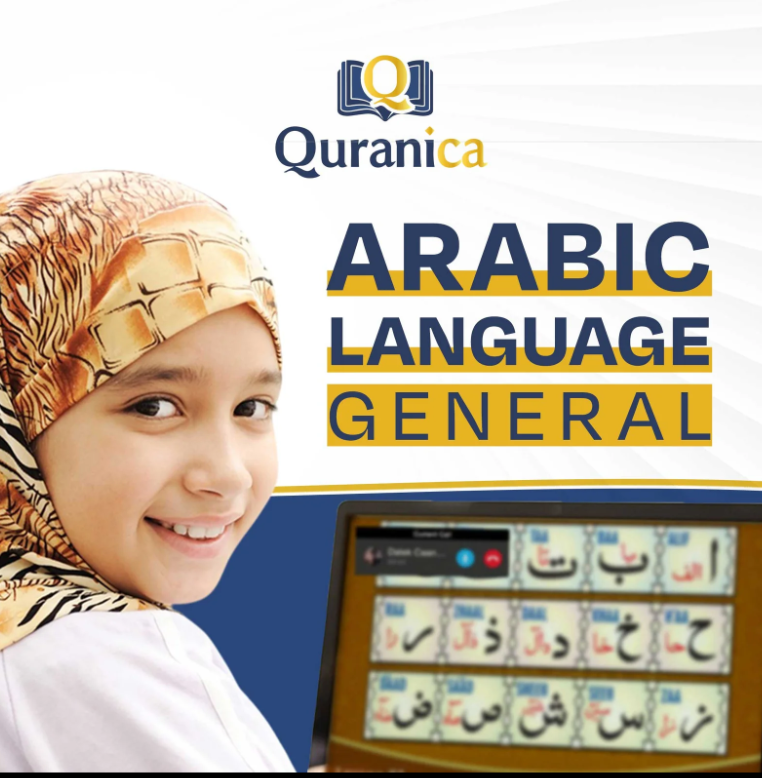
If you notice your child is constantly mixing these up, don’t worry—it’s the most common challenge we see. This is exactly where a native guide makes a difference. In our Learn Arabic for Kids course, we focus heavily on these “tongue-twister” letters early on so those bad pronunciation habits don’t stick.
Enroll Your Kid Now in Quranica’s Arabic for Kids Course
9. Traffic Light Simulations for Tajweed Based Quran Learning Games
Recitation speed and stopping rules (Waqf) are tricky. Children tend to race through verses like they are running a sprint, merging words together and running out of breath in the wrong places. We need to teach them control.
For this, we use a simple “Traffic Light” system. You are the traffic controller.
A. Green Light
They recite at a normal, steady pace (Tarteel).
B. Red Light
They must stop immediately on the very next word, applying the correct stopping rule. This teaches them not to cut the sound abruptly but to silence the last vowel (Sukun).
C. Yellow Light
This is the fun part. This is for Madd (elongation). When they hit a word with a long vowel, like “Waaaa-lad-dalleeen,” hold up the yellow card. They have to hold that sound as long as you hold up the card.
If you hold the yellow card too long, they’ll run out of breath and laugh, but it teaches them that vowels have specific lengths that must be respected. It turns abstract timing rules into a visual game they can win.
10. Hunt Adventures in Home Based Quran Learning Games
Sometimes we get so focused on the sound of the Quran that we forget the meaning.
We want our children to know that the Quran talks about the world around them—the food they eat, the animals they see, and the sky above them.
Pick a Surah that mentions physical objects. Surah At-Tin is perfect for this.
“وَالتِّينِ وَالزَّيْتُونِ”
“Wat-teeni waz-zaytoon”
“By the fig and the olive”
Give your child a basket and tell them you are going on a “Quran Hunt.” If you have figs (or fig cookies) and olives in the kitchen, hide them. Read the verse, explain that Allah swears by these foods because they are special, and set a timer. Their job is to find the items mentioned in the Ayah.
When they bring the item back, ask them to recite the verse while holding the object. Holding the olive while saying “Waz-zaytoon” creates a sensory anchor.
If a child only learns the sounds, they miss the message. That’s why our Islamic Studies for Kids program is built entirely around this concept—exploring the why and how behind the verses so the Quran becomes a guide for their daily life, not just a book on the shelf.
Enroll Your Kid Now in Quranica’s Islamic Studies for Kids program
11. Classic Tic-Tac-Toe Adapted for Quran Learning Games
Revision (Muraja’ah) is usually the most boring part of the process. Kids want to learn new things, not repeat the old ones. This game changes the dynamic by adding a competitive layer.
Draw a standard Tic-Tac-Toe grid on a whiteboard or paper. Instead of just putting an X or O in a square, assign a specific Surah or a specific Ayah number to each square.
To claim the square, they must recite that specific portion without a single mistake. If they stumble, they lose their turn, and you get a chance to steal the square (this motivates them to listen closely to your recitation too).
For example, the center square might be the “Boss Level”—perhaps Ayat al-Kursi or the last few verses of Surah Al-Baqarah.
This is particularly good for siblings. They will often voluntarily recite a Surah five or six times just to beat their brother or sister.
Learn how to make your child memorize Quran.
12. The Audio Detective for Passive Quran Learning Games
You can’t always be active. Sometimes you are in the car or winding down for bed. This game trains the ear, which is half the battle in learning Tajweed.
Play a recitation of a famous Qari (reciter) like Mishary Rashid Alafasy or Mahmoud Khalil Al-Hussary. Tell your child they are a “Tajweed Detective.” Give them a specific sound to hunt for.
For beginners, ask them to raise a hand every time they hear the word “Allah.”
For intermediate learners, ask them to spot a “Ghunna” (the nasal buzzing sound on the letters Noon and Mim).
“قُلْ أَعُوذُ بِرَبِّ النَّاسِ”
“Qul a’oodhu birabbi an-nas”
“Say, ‘I seek refuge in the Lord of mankind'”
When the reciter holds the “Nnnn” sound in An-Nas, your child has to identify it. This builds auditory awareness.
Often, children make mistakes in their own reading simply because they have never truly heard what the correct version sounds like. This bridges that gap.
Turn These Games into a Trusted Quranic Path with Quranica
At Quranica, we don’t just hire tutors; we connect your child with mentors. Our teachers are native Arab speakers and graduates of Al-Azhar University, holding authentic Ijazahs to teach the Quran.
They have years of experience specifically in teaching non-Arab children, meaning they know exactly how to make complex Tajweed rules simple and fun.
We offer premium education at competitive prices, ensuring your child gets the best start without breaking the bank.
Here is where we can help your child thrive:
For the Absolute Beginner
Start with Qaida Noorani for Kids or Learn Arabic for Kids to build a rock-solid foundation in reading and pronunciation.
For the Aspiring Hafiz
Join our Quran Hifz Classes for Kids or Juz 30 Memorization for a structured, encouraging path to memorizing the Book of Allah.
For the Curious Mind
Our Islamic Studies for Kids and Five Pillars of Islam for Kids courses turn abstract concepts into lessons they will love.
Give your child the gift of a teacher who truly cares.
Explore our full range of courses.
Conclusion
Effective memorization relies on breaking down mental barriers through visual and tactile aids rather than overwhelming pressure.
Techniques like the whiteboard eraser method and puzzle sorting turn complex verses into manageable challenges, while using building blocks to visualize rewards keeps motivation high during necessary revision sessions.
Beyond simple recall, fostering a genuine bond with the text involves engaging a child’s creativity and logical thinking.
Allowing them to correct parental mistakes or illustrate stories solidifies their confidence, while emotion-matching games ensure they connect the recitation’s tone with its actual meaning rather than performing robotic repetition.

0 Comments