In a nutshell: Memorizing the entire Quran is not required for every Muslim, but learning the portions needed for valid prayer—beginning with Surah Al-Fatiha—is an individual obligation. Preserving the full Quran through memorization is a shared responsibility carried by the community.
When you hold the Mus’haf in your hands, the thought of committing all 604 pages to memory can feel overwhelming, perhaps even impossible. You may wonder if this is a requirement to be a “good” Muslim, or if your faith is incomplete without it.
Let’s walk through the answer together, separating what is a fundamental duty from what is a path of profound virtue.
Is It Mandatory to Memorize the Quran?
No, it is not mandatory for every single Muslim to memorize the entire Quran. But it is mandatory to memorize a specific portion of the Quran.
Islamic scholarship provides a beautiful and balanced nuance to this ruling on memorizing Quran.
The obligation is divided into two distinct categories, which shows the perfect balance of our Deen (religion). It balances what is necessary for your personal connection to Allah with what is necessary for the preservation of His message for all of humanity.
These two categories are Fard ‘Ayn (an individual obligation) and Fard Kifayah (a communal obligation).
This first type, Fard ‘Ayn, is what you personally are responsible for.
Read Also: Benefits of Quran Memorization
What Every Muslim is Mandated to Memorize?
Every Muslim is mandated to memorize Surat Al-Fatiha. The Prophet Muhammad (peace and blessings be upon him) was clear: “There is no prayer for the one who does not recite the Opening of the Book (Surat Al-Fatiha).”
This is the first level. It is Fard ‘Ayn—an individual obligation that no one else can do for you. Every single Muslim, man or woman, young or old, Arab or non-Arab, must memorize the portion of the Quran required to make their prayer valid.
This is, at minimum, Surat Al-Fatiha. Most scholars agree it also includes a few short verses or another short Surah to recite after it.
This is because it is a Sunnah (practice of the Prophet, peace be upon him) to recite something after Al-Fatiha in the first two rak’ahs (units) of prayer.
This is your “key” to speaking with your Lord five times a day. This is the non-negotiable minimum. This is why in any true Learn Quran for Beginners program, our first mission together is to perfect your Fatiha. Its memorization isn’t just a rule; it is the very foundation of your worship.
Enroll NOW in Quranica’s Quran classes for beginners
Do You Have to Memorize the Quran?
NO, you do not have to memorize the entire 600-page Mushaf as an individual..
But you MUST memorize the minimum amount of Quran needed to perform your Salah (prayer) correctly. This is Fard ‘Ayn—a personal, non-negotiable duty. This begins with Al-Fatiha.
So, the “mandatory” part stops after your Salah is sound.
Everything after that? That is not about “having to.” That is about “getting to.” It is a journey of ihsan (excellence), of love, and of seeking the highest ranks in Paradise. It is an honor, not a burden.
Read Also: Effective Quran Memorization Methods and Techniques
The Communal Obligation of Memorizing Quran
Allah has promised to protect His book, and He uses believers as the vessels for that protection. The Ummah (the global Muslim community) as a whole has a sacred duty to ensure that the Quran is preserved in its entirety through Hifz (memorization).
This means that if a sufficient number of people in a community (a town, a city, a country) step up to memorize the entire Quran, the obligation is lifted from everyone else. Those who fulfill this duty are doing it on behalf of the whole community.
However, if no one in a community were to memorize the Quran, the entire community would be in a state of sin.
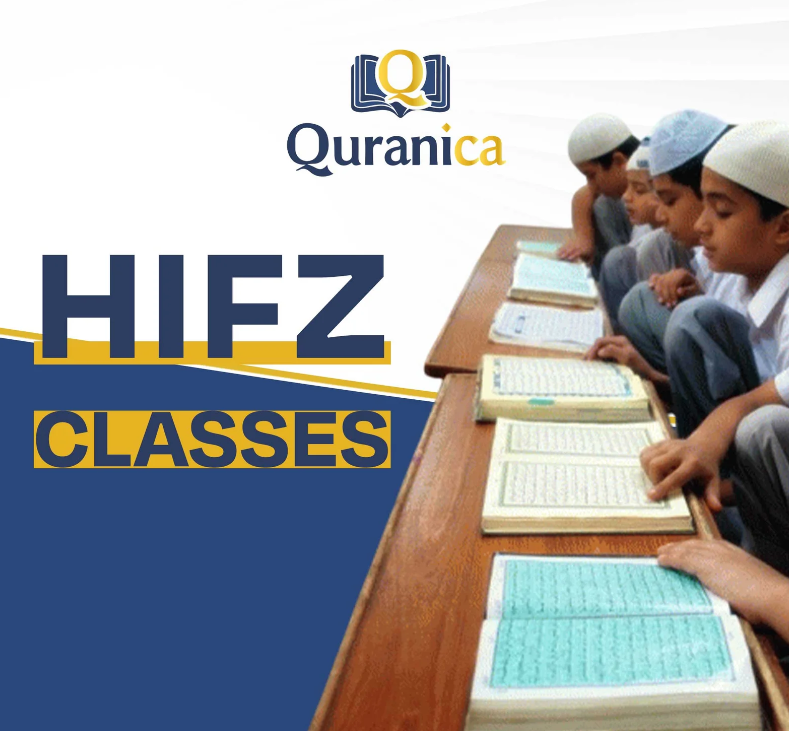
This is where the idea of a hifz program comes from. These are dedicated paths of study where individuals take on this noble communal duty, becoming Huffaz (Guardians or Protectors) of the text.
Enroll Now in Quran Hifz programs
Read Also: Quran Memorization Plan And Timetable
If It’s Not Mandatory, Why Strive for It?
While only a portion is required, striving to memorize more of it is one of the greatest acts of worship a person can undertake.
Moving past the question of whether memorizing Quran mandatory or not, and whether reading quran fard or sunnah, The status of the one who memorizes the Quran (a Hafiz) is unlike any other.
Consider these profound blessings:
1. Huffaz Are the Best of People
The Prophet Muhammad (peace and blessings be upon him) said, “The best among you are those who learn the Qur’an and teach it.” (Bukhari)
2. Crown for Hafiz’s Parents
The Prophet Muhammad (peace and blessings be upon him) also informed us that the parents of the one who memorized the Quran and acted upon it will be given a crown on the Day of Judgment, “whose light is better than the light of the sun.” (Abu Dawud)
3. Huffaz Status in Paradise
Your rank in Jannah (Paradise) is determined by your connection to the Quran.
The Prophet (peace be upon him) said, “It will be said to the companion of the Qur’an: ‘Read, and ascend, and recite as you used to recite in the world, for your status will be at the last verse you recite.'” (Tirmidhi)
This journey is not about obligation; it’s about elevation. It’s about filling your heart with the very words of your Creator.
You Can’t Memorize What You Can’t Recite
You cannot commit to memory what you cannot first pronounce.
The Prophet (peace be upon him) received the Quran with its specific articulation, and it is our duty to preserve it that way.
This is why any serious hifz program begins not with memorization, but with correction. Before you can store the words in your heart, you must first learn Quran with Tajweed (the rules of proper recitation) to ensure you are saying them as they were revealed.
A single mistake in pronunciation can, in some cases, change the meaning entirely.
This journey must be guided by a qualified teacher who can listen to you, correct your mistakes, and ensure your foundation is solid.
Enroll Now in Quranica’s Tajweed Course
Take Your First Step on a Lifelong Quranic Journey
So, take a deep breath. Your journey with the Quran is not a sprint to a finish line. It is a lifelong companionship.
Do not be overwhelmed by the goal of 114 chapters. Begin with the first one. Begin with Al-Fatiha. Learn it, perfect its Tajweed, understand its meaning, and pray with it. Feel the sweetness of speaking to Allah with His own perfect words.
Then, learn the next short surah. One verse at a time. One page at a time.
Allah Himself tells us He has made it possible:
“…وَلَقَدْ يَسَّرْنَا الْقُرْآنَ لِلذِّكْرِ فَهَلْ مِن مُّدَّكِرٍ”
“…Wa laqad yassarna al-Qur’ana lil-dhikri fahal min muddakirin”
“…And We have certainly made the Qur’an easy for remembrance, so is there any who will remember?” (Surah Al-Qamar, 54:17)
That first step—the sincere desire to learn His words correctly—is perhaps the most beloved step of all.
Start Your Sustainable Hifdh Journey with Quranica
At Quranica, we connect you with teachers who live and breathe this sacred text. Our instructors aren’t just academics; they are:
Native Arab Speakers
Learn the authentic sounds of the language from its source.
Al-Azhar University Graduates
Steeped in the world’s most respected tradition of Islamic scholarship.
Ijazah Holders
Certified with a direct, unbroken chain of transmission (Sanad) to teach the Quran.
Experienced Guides
Specialists in teaching the Quran and Arabic to non-Arab students of all ages.
Specialized Experience
We have years of experience guiding non-Arab students, understanding your unique challenges and how to overcome them.
We offer a complete path at competitive prices, from building your foundation to achieving mastery:
- Hifz programs for adults
- Hifz classes for Ladies and sisters
- Hifz classes for kids
- Learn Quran with Tajweed (To build your foundation)
- Online Ijazah Course (To master and teach)
Join a Quranica program today and take the first step toward becoming a Hafidh.
Explore our full range of courses.
Conclusion
Memorizing the full Quran is not a personal requirement, but every Muslim must learn Al-Fatiha and enough verses to perform Salah correctly. This forms the essential foundation of one’s worship and cannot be fulfilled by anyone else on their behalf.
The complete preservation of the Quran rests on the Ummah collectively, with dedicated memorizers ensuring Allah’s words remain safeguarded across generations. Those who take on this mission elevate the entire community and help maintain the integrity of the revelation.
Although not mandatory, striving to memorize more brings unmatched spiritual rewards, higher ranks in the Hereafter, and blessings for one’s family. This journey begins with proper recitation, guided by Tajweed and qualified teachers, allowing believers to approach the Quran with clarity, love, and lifelong devotion.
0 Comments