

In a nutshell: Learning the Quran at home is both achievable and deeply rewarding when approached with structure and intention. By creating a dedicated study space, building a consistent schedule tied to daily prayers, and using the right tools—such as a Tajweed Mushaf, Noorani Qaida, and digital apps—students can progress steadily. Guidance from a qualified online teacher ensures accuracy, while structured self-study, focused drills, and connection to meanings enhance recitation.
Learning the Quran from the comfort of your home offers flexibility and a personal space for your spiritual growth.
To succeed, this journey requires a clear plan, self-discipline, and the right resources to transform your home into an effective place of learning.
Step 1: Create a Dedicated and Peaceful Space to Learn Quran at Home
Your environment has a profound impact on your ability to focus and learn. Designating a specific, tranquil space for your Quran studies is the first step in building a serious at-home practice.
1. Choose a Quiet and Clean Corner to Learn Quran at Home
Select a part of your home that is quiet, clean, and free from the usual traffic of family life. This physical separation helps you mentally transition into a state of learning and worship when you sit down to study.
2. Remove All Distractions
The space should be used only for learning Quran. Keep it free of distractions like a television, unnecessary gadgets, or work materials to ensure your mind remains focused on your sacred task.
Step 2: Set a Realistic and Consistent At-Home Study Schedule
Without the structure of a physical classroom, your success at home depends entirely on the discipline you build for yourself. A realistic and consistent schedule is the backbone that will support your entire learning journey.
1. Anchor Your Quran Time to Your Prayers
The most effective way to build a lasting habit is to attach it to an existing one. Anchor your Quran study time to your daily prayers to ensure it becomes a consistent and spiritually blessed part of your day.
This method transforms your study from a task on a to-do list into a seamless continuation of your worship.
For instance, decide that the 20 minutes immediately after the Fajr prayer are your “golden minutes” for the Quran.
At this time, the house is quiet, your mind is clear, and you begin your day with an immense blessing.
Alternatively, you could make it the last thing you do after the Isha prayer, ending your day with the words of Allah.
2. Learn Quran at Home with the ‘Little and Often’ Principle
Steady, daily progress, no matter how small, is far more valuable than long, infrequent sessions. This principle is not just an effective study technique; it is rooted in the spirit of our faith.
The Prophet Muhammad (peace be upon him) said,
“The most beloved of deeds to Allah are those that are most consistent, even if they are few.”.
For example, a student who struggles through a two-hour session on a Saturday will forget much of it by the next weekend.
However, a student who practices for just 20 minutes every day builds a much stronger and more lasting connection with what they learn.
The Hifz Program for Adults at Quranica offers a structured path that not only helps you memorize but also reinforces your Tajweed and understanding of the verses, making the Quran a part of your heart, not just your memory. As the Prophet (ﷺ) reminded us, a person with no Quran inside them is like a ruined house.

3. Schedule Different Types of Practice
An effective at-home schedule allocates time for different learning activities. To avoid burnout and ensure balanced progress, it is wise to have separate, dedicated times for learning new material, reviewing past lessons, and listening.
Consider a simple, structured weekly plan. This approach keeps your learning dynamic and ensures all skills are being developed. For example:
- Monday & Wednesday: A 30-minute session with your online teacher for your new lesson.
- Tuesday & Thursday: A 20-minute self-practice session to perfect the week’s lesson.
- Friday & Saturday: A 20-minute listening session where you follow a Qari reciting the surahs you have already learned.
- Sunday: A day of rest or light review of all previous lessons.
Step 3: Gather Your Essential Tools and Resources to Learn Quran at Home
Setting up your home study space with the right tools is like a student preparing their school bag. Having these essential resources at hand makes your study sessions smooth and productive.
1. Your Core Physical Resources to Learn Quran at Home
These are the tangible tools that will be your constant companions on this journey. Choosing the right ones can significantly simplify the learning process.
A. A Color-Coded Tajweed Mushaf
Get a copy of the Quran (Mushaf) where the letters are color-coded according to the rules of Tajweed.
This visual aid is incredibly helpful for a beginner learning at home, as it provides a constant, silent reminder of where to apply rules like elongations (Madd) or nasal sounds (Ghunnah).
B. A Foundational Text like the Noorani Qaida
Use a booklet like the Noorani Qaida to master the building blocks of recitation. This tool is designed to perfect your pronunciation of each letter (Makharij) and its qualities (Sifat) before you have to manage the complexity of full Quranic verses.
C. A Dedicated ‘Mistake’ Notebook
Use a notebook specifically to log your corrections. A very effective method is to create two columns: in the first, write the rule or word you struggle with, and in the second, write the correction your teacher gives you. Reviewing this before each class is a powerful way to avoid repeating mistakes.
D. A Small Mirror for Pronunciation
Keep a small mirror on your desk to practice your Makharij. This is a classic technique for non-Arabs, as it allows you to visually check if your tongue and lip positions are correct for letters like ‘ث’ (Thaa) or ‘ذ’ (Dhal), ensuring your pronunciation is precise.
2. Your Core Digital Resources to Learn Quran at Home
Leveraging technology correctly can provide you with a level of support and practice that was unavailable to previous generations of home learners.
A. A Quran App with Recitation
An essential feature for at-home practice is the ability to loop a single verse or a range of verses like Ayah app, which is invaluable for both memorization and perfecting your recitation of a difficult passage.
B. A Voice Recording Tool
Use the simple voice recorder on your phone to track your progress. Before a class, record yourself reciting the assigned verses.
After your teacher corrects you, listen to your initial recording; you will be able to clearly hear the improvements and train your ear to catch your own mistakes.
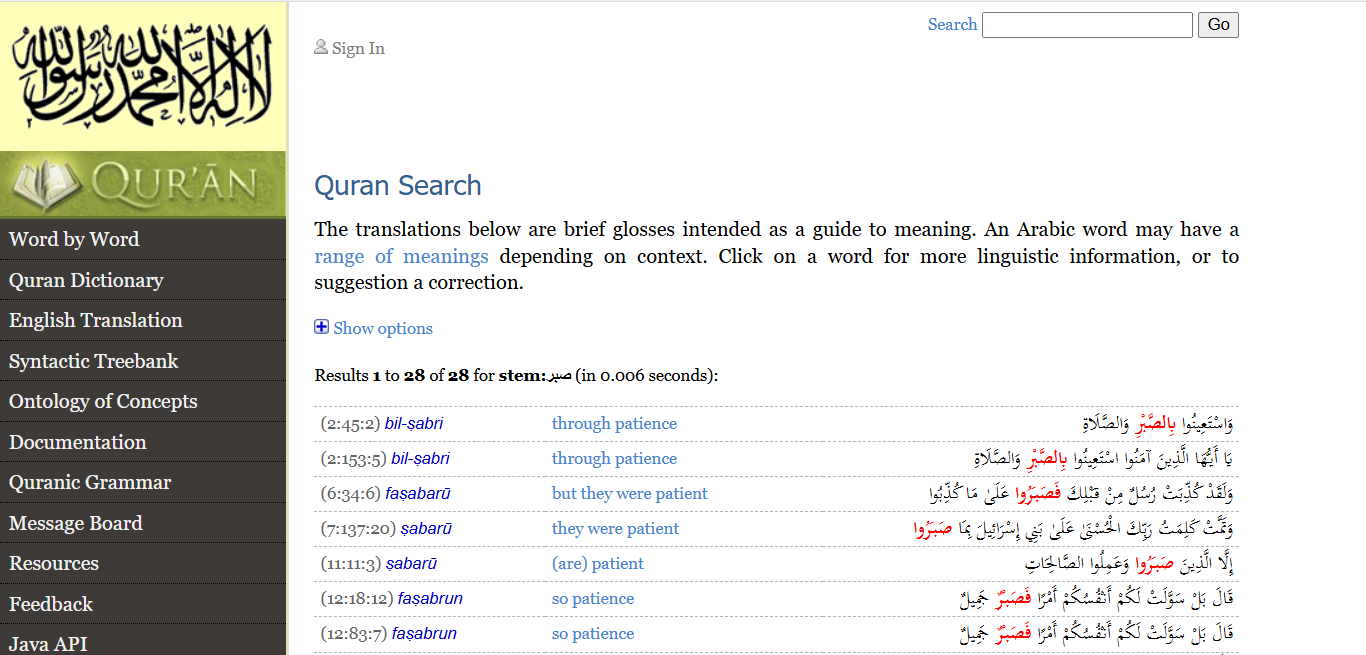
C. A Quranic Arabic Dictionary
Have a good Quranic dictionary app or website bookmarked such as Quran Corpus.
When you learn a new word, taking a moment to look up its meaning creates a deeper connection and makes it much easier to remember.
This turns your reading practice into a journey of understanding.
Step 4: Find a Qualified Online Teacher for One-on-One Guidance
Learning at home does not mean learning alone. Engaging a qualified online teacher is the single most important step to ensure you learn correctly and progress efficiently.
1. The Importance of Live Feedback
A teacher provides the live correction and feedback that self-study cannot offer. They will catch your mistakes in pronunciation and Tajweed before they become ingrained habits, saving you from having to unlearn them later.
2. A Guide to Keep You Accountable
An online teacher provides the structure and accountability that can be difficult to maintain on your own at home. Knowing you have a scheduled class and a mentor to answer to is a powerful motivator.
“فَاسْأَلُوا أَهْلَ الذِّكْرِ إِن كُنتُمْ لَا تَعْلَمُونَ”
“Fas’aloo ahlaz-zikri in kuntum laa ta’lamoon“
“So ask the people of the message if you do not know.” (An-Nahl: 43).
This verse commands us to seek knowledge from those who possess it, a principle that is vital for learning the Quran correctly.
Finding the right teacher who understands the needs of a beginner is key. For this reason, a structured course like Quranica’s Learn Tajweed for Beginners can be the perfect solution.
It provides a supportive environment with experienced instructors who guide you gradually from the very first step, ensuring you learn correctly and build a strong relationship with the Quran without feeling overwhelmed.
Read Also: How to Learn Quran?

Step 5: Structure Your At-Home Self-Study Sessions Effectively
When you practice on your own between classes, having a clear structure for your study time is key.
An effective routine ensures you make the most of every minute you dedicate to learning.
1. Adopt the Prepare, Practice, Perfect (PPP) Model
A structured session prevents aimless practice. The PPP model gives your study time a clear beginning, middle, and end, ensuring a comprehensive review of your skills.
A. Prepare (Warm-up and Review)
Begin each session not with new material, but by reciting the last few verses or the last page you perfected in your previous session.
This acts as a vocal and mental warm-up, shifting your mind into a state of recitation and reinforcing your long-term memory.
B. Practice (The New Lesson of Quran)
This is the core of your session. Focus on the new assignment from your teacher. For example, if your lesson is five new verses of Surah Al-Mulk, break down your practice:
- Read all five verses once slowly, focusing only on correct letter shapes and vowels.
- Read them a second time, focusing only on the specific Tajweed rule you are currently learning (e.g., Ikhfa).
- Read them a third time, trying to connect the verses smoothly without hesitation.
C. Perfect (Listen and Imitate a Master Qari)
End your session by listening to a master Qari recite the same verses you just practiced.
Close your eyes and listen intently to their rhythm and tone. Then, choose just one verse and try to imitate their recitation exactly. This critical step trains your ear and refines your delivery.
2. Isolate and Master One Quranic Challenge at a Time
The fastest way to solve a recurring problem is to give it your undivided attention.
Instead of getting frustrated by the same mistake during general reading, dedicate a short session to mastering that single challenge.
A Practical Example: If you struggle to differentiate between the letters ‘ض’ (Ḍād) and ‘د’ (Dāl), create a “micro-drill” session.
- Find words in the Quran with these letters. For ‘ض’, find words like “الضَّالِّينَ” (aḍ-ḍāllīn) and “أَفَاضَ” (afāḍa).
- For ‘د’, find words like “الدِّينِ” (ad-dīn) and “يُرِيدُ” (yurīdu).
- Spend ten minutes just repeating these words, focusing intently on the feeling in your mouth and the difference in sound. This focused practice is far more effective than hours of general reading.
3. Connect the Quranic Sound to the Meaning
Your recitation will gain life and depth when your heart is connected to the words you are speaking.
Before you begin practicing the pronunciation of new verses, take a moment to understand what they mean.
Let Meaning Influence Your Practice: When you know the meaning, it can guide your tone. For instance, a verse about seeking refuge in Allah from Shaytan should be recited with a sense of urgency and sincerity.
“قُلْ أَعُوذُ بِرَبِّ الْفَلَقِ”
“Qul a’uzu birabbil-falaq”
“Say, ‘I seek refuge in the Lord of daybreak'” (Al-Falaq: 1).
Knowing that “أَعُوذُ” (a’ūdhu) means “I seek refuge” helps you recite the verse not as a mere collection of sounds, but as a genuine plea for protection, which will naturally improve your focus and delivery.
Read Also: Quran Learning Journey
Step 6: Stay Motivated and Overcome Distractions While Learning at Home
Your home is full of distractions, and motivation can naturally rise and fall. Learning to manage these challenges is a skill that is crucial for long-term success.
1. Minimize Digital and Physical Interruptions
During your scheduled study time, put your phone on silent and in another room. Politely inform your family members that this is your dedicated learning time to minimize interruptions.
2. Constantly Renew Your Intention (Niyyah)
When you feel your motivation fading, take a moment to reconnect with your reason for starting this journey. Remind yourself that you are doing this for the sake of Allah, and this remembrance can be a powerful source of renewed energy.
Step 7: Track Your Progress to Ensure You Successfully Learn Quran at Home
Tracking your progress provides a sense of accomplishment and helps you see how far you have come. This is a great way to stay motivated and identify areas where you may need more focus.
1. Keep a Simple Learning Journal
Use your notebook to keep a log of your progress. After each session, write down what you learned, what you found easy, and what you struggled with. This creates a personal record of your journey.
2. Create a Checklist of Goals
Make a checklist of the surahs you want to learn to read or memorize. Each time you master a new one, check it off the list. Visually seeing your progress is an incredibly powerful and satisfying motivator.
Bring the Best Quran Tutors Home with Quranica
Quranica provides the most important pillar for your success: a live, expert teacher to guide you personally through every step of your journey.
We bridge the distance, bringing the tradition of authentic, one-on-one Quranic education directly to your screen.
The Best Teachers, in Your Home
Learn from elite, native Arab tutors, many of whom are graduates of the prestigious Al-Azhar University, without ever leaving your home.
Authenticity You Can Trust
Study with confidence under mentors who hold an Ijazah—a certification that guarantees an unbroken chain of authentic knowledge.
Expertise in Online Learning
Our teachers specialize in guiding non-Arab students in an online setting, ensuring your lessons are clear, effective, and tailored to your pace.
Whether you are just beginning or seeking to deepen your existing knowledge, we have courses designed for you:
- Online Quran Classes for Beginners
- Learn Quran with Tajweed
- Quran Memorization and Hifz
- Online Quran Tafseer Course
- Learn Arabic Online Course
- Quranic Arabic
Explore our full range of courses.
Enroll in a Quranica course now!
Conclusion
A focused and peaceful study environment sets the foundation for learning the Quran at home, free from distractions and designed to foster concentration and sincerity. This physical space serves as a constant reminder of the sacred purpose behind the effort.
Consistency is key, and anchoring study sessions to prayer times creates a rhythm that blends naturally into daily life. Short, regular practice supported by a variety of activities ensures steady progress and prevents burnout.
Equipping oneself with essential resources—both physical and digital—makes learning smoother and more engaging. Tools like Tajweed Mushafs, pronunciation aids, and Quran apps help learners refine their skills and stay connected with the text.
Finally, progress flourishes with guidance, reflection, and motivation. Regular feedback from a teacher, structured study methods, and a mindful connection to the meanings of verses make the journey effective and spiritually uplifting.






0 Comments