In a nutshell: The Quran places honoring one’s parents right beside worshiping Allah, revealing how sacred this relationship truly is. Through verses filled with compassion and linguistic beauty, Allah commands believers to show Ihsan—excellence and mercy—toward their parents, to lower the “wing of humility,” and to express gratitude alongside faith.
In the Quran, Allah links the command to be good to parents (known in Arabic as Birr al-Wālidayn) directly to the single most important command in our faith: worshiping Him alone (Tawhid).
1. Quran Says Kindness to Parents Comes After Worshipping Allah
This passage from Surah Al-Isra is perhaps the most comprehensive and powerful. Allah doesn’t just say “be nice”; He uses the word Ihsan, a term that goes far beyond simple kindness.
“وَقَضَىٰ رَبُّكَ أَلَّا تَعْبُدُوا إِلَّا إِيَّاهُ وَبِالْوَالِدَيْنِ إِحْسَانًا ۚ إِمَّا يَبْلُغَنَّ عِندَكَ الْكِبَرَ أَحَدُهُمَا أَوْ كِلَاهُمَا فَلَا تَقُل لَّهُمَا أُفٍّ وَلَا تَنْهَرْهُمَا وَقُل لَّهُمَا قَوْلًا كَرِيمًا”
“Wa qaḍā rabbuka allā taʿbudū illā iyyāhu wa bil-wālidayni iḥsānā. Immā yablughanna ʿindaka al-kibara aḥaduhumā aw kilāhumā fa-lā taqul lahumā uffiw wa-lā tanharhumā wa qul lahumā qawlan karīmā”
“And your Lord has decreed that you not worship except Him, and to parents, good treatment (Ihsan). Whether one or both of them reach old age [while] with you, say not to them [so much as], ‘uff,’ and do not repel them but speak to them a noble word.” (Surah Al-Isra, 17:23)
Two words here show the depth of the Quran.
Iḥsān (إِحْسَانًا): This isn’t just ‘kindness’. It means to do something with excellence, to perfect it, to give more than is required, and to do it with genuine love, not just as a cold duty.
Uff (أُفٍّ): In Arabic, this is the mildest, most insignificant expression of annoyance. It’s not even a full word; it’s a sound. Allah is telling us that even this tiny sound of frustration is forbidden. If this sound is forbidden, imagine the weight of anything greater.
This is the power of Quranic-Arabic. A simple two-letter sound, ‘uff’, carries a universe of meaning. Grasping this is the first step to truly feeling the Quran’s message, something we focus on deeply in our Quranic Arabic course.
Enroll now in Quranic Arabic course
2. Quran Commands to Lower The ‘Wing of Humility’ to Parents
The command continues in the very next verse, giving us both a physical posture and a beautiful du’a (supplication).
“وَاخْفِضْ لَهُمَا جَنَاحَ الذُّلِّ مِنَ الرَّحْمَةِ وَقُل رَّبِّ ارْحَمْهُمَا كَمَا رَبَّيَانِي صَغِيرًا”
“Wakhfiḍ lahumā janāḥa adh-dhulli mina ar-raḥmati wa qul rabbi irḥamhumā kamā rabbayānī ṣaghīrā”
“And lower to them the wing of humility out of mercy and say, ‘My Lord, have mercy upon them as they brought me up [when I was] small.'” (Surah Al-Isra, 17:24)
What a stunning visual: “the wing of humility” (جَنَاحَ الذُّلِّ). This is the posture of a mother bird protecting her young—lowering her wing over them.
Allah commands us to do the reverse: to cover our powerful, capable adult “wings” and lower them in tenderness for our parents, who are now vulnerable as we once were.
The word dhull (humility) here is not about humiliation. It is about willful, loving submission and gentleness. We are also given the exact words to say.
3. Quran Commands Us to Thank Parents Alongside Allah
In Surah Luqman, Allah again links parents to Himself, this time through the lens of gratitude.
“وَوَصَّيْنَا الْإِنسَانَ بِوَالِدَيْهِ… أَنِ اشْكُرْ لِي وَلِوَالِدَيْكَ إِلَيَّ الْمَصِيرُ”
“Wa waṣṣaynā al-insāna bi-wālidayhi… Anishkur lī wa li-wālidayka ilayya al-maṣīr”
“And We have enjoined upon man [care] for his parents… [saying], ‘Be grateful to Me and to your parents; to Me is the [final] destination.'” (Surah Luqman, 31:14)
Allah says, “Be grateful to Me and to your parents.” He places gratitude to parents immediately after gratitude to Him.
The scholars of Tafsir (exegesis) note this linkage is profound: one cannot claim to be truly grateful to Allah if they are ungrateful to the means through which He gave them life.
Understanding the full legal and spiritual weight of a waṣiyyah (testament) versus a simple amr (command) is a key insight. These linguistic subtleties are exactly what our Online Tafseer Course is designed to unlock.
Enroll Now in Online Tafseer Course
4. The Quran’s Special Honor for the Mother
In the very same verse, Allah singles out the mother, describing her struggle with a term of incredible empathy.
“…حَمَلَتْهُ أُمُّهُ وَهْنًا عَلَىٰ وَهْنٍ وَفِصَالُهُ فِي عَامَيْنِ…”
“…ḥamalat’hu ummuhu wahnan ʿalā wahnin wa fiṣāluhu fī ʿāmayn…”
“…His mother carried him [in pregnancy] in weakness upon weakness, and his weaning is in two years…” (Surah Luqman, 31:14)
The Arabic expression wahnan ʿalā wahn (وَهْنًا عَلَىٰ وَهْنٍ) is so much deeper than just “weakness.” Wahn is a debilitating weakness, a drain of strength.
The phrase “weakness upon weakness” creates a picture of compounding, layered hardship—the weakness of pregnancy, then the weakness of childbirth, then the weakness of nursing.
This verse is the Quranic foundation for why the Prophet (peace be upon him) said “your mother, then your mother, then your mother” when asked who deserves our best companionship.
Many of our students in the Islamic Studies Online Course find that learning the context (like this verse) alongside the language deepens their entire connection to the faith.
5. Quran Teaches How to Deal with Parents in Disagreements
This is a question many new Muslims and learners ask: “What if my parents ask me to do something against Islam? What if they aren’t Muslim?” Allah addresses this directly, in the very next verse of Surah Luqman.
“وَإِن جَاهَدَاكَ عَلَىٰ أَن تُشْرِكَ بِي مَا لَيْسَ لَكَ بِهِ عِلْمٌ فَلَا تُطِعْهُمَا ۖ وَصَاحِبْهُمَا فِي الدُّنْيَا مَعْرُوفًا…”
“Wa in jāhadāka ʿalā an tushrika bī mā laysa laka bihī ʿilmun fa-lā tuṭiʿhumā wa ṣāḥibhumā fī ad-dunyā maʿrūfā…”
“But if they strive to make you associate with Me that of which you have no knowledge, do not obey them but accompany them in [this] world with appropriate kindness…” (Surah Luqman, 31:15)
Look at this perfect, divine balance. The command is crystal clear: “do not obey them” (fa-lā tuṭiʿhumā) when it comes to Shirk (associating partners with Allah). There is no compromise on Tawhid.
But… in the very same breath, Allah commands: “accompany them in this world with maʿrūf.” Maʿrūf (مَعْرُوفًا) is a beautiful Arabic word.
Maʿrūf means “that which is known” (as good, decent, honorable, and fair). You stop the obedience, but you never stop the Ihsan. You must still be the kindest, most supportive companion to them.
Read Also: What We Learn From Quran? – Top Lessons
6. Quran Praises Prophets for Their Dutifulness to Parents
Being dutiful to parents is not just for us; it’s a hallmark of the Prophets. Look at how Allah praises Prophet Yahya (John the Baptist).
“وَبَرًّا بِوَالِدَيْهِ وَلَمْ يَكُن جَبَّارًا عَصِيًّا”
“Wa barran bi-wālidayhi wa lam yakun jabbāran ʿaṣiyyā”
“And [he was] dutiful to his parents, and was not a tyrant [or] disobedient.” (Surah Maryam, 19:14)
The word Barran (بَرًّا) is the active form of Birr. It means he was devotedly kind. But notice what Allah contrasts it with: jabbāran ʿaṣiyyā (a tyrant, disobedient).
This implies that arrogance (jabbār) towards others often begins with disobedience (ʿaṣiyy) to parents. Humility at home is the foundation for humility with Allah.
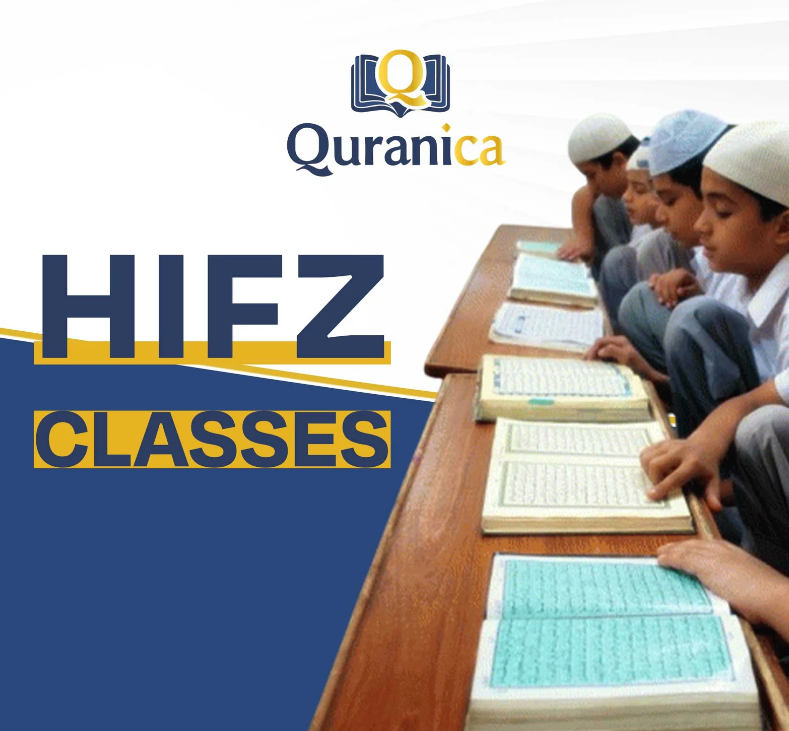
Memorizing these short, powerful verses about the Prophets can be a source of strength. Our Quran Memorization and Hifz programs are structured to help you not just memorize the words, but also internalize the character traits they teach.
Enroll Now in Quran Memorization and Hifz programs
Read Also: What Does The Quran Say About Female Education?
What Does the Quran Say About Honoring Your Parents?
If we were to gather all these verses, from the core command of Ihsan to the prohibition of ‘uff’, from the prayer for mercy to the example of the prophets, the answer becomes clear.
What does the Quran say about honoring your parents? It says it is one of the heaviest and most significant deeds on the scale. It says it is the immediate next step after purifying your worship of Allah (Tawhid).
This honor is not just a passive respect; it’s an active, tender, and merciful engagement. The Quran shows us that honoring our parents is:
- Speaking a “noble word” (qawlan karīmā) instead of a sound of irritation.
- Lowering the “wing of humility” (janāḥa adh-dhull) in mercy.
- Expressing profound gratitude (Anishkur lī wa li-wālidayk) to them alongside Allah.
- Recognizing the specific, layered struggle of the mother (wahnan ʿalā wahn).
- Maintaining kindness (maʿrūf) even in religious disagreement.
- A defining characteristic of a prophet (barran bi-wālidayhi).
Ultimately, the Quran teaches us that honoring our parents is a reflection of our Ihsan (excellence) and a core part of our ‘Ubūdiyyah (servitude) to Allah.
May Allah make us among those who are barran bi-wālidaynā (dutiful to our parents) and grant us the qurrata aʿyun (comfort of the eyes) He promises the righteous.
Read Also: What the Quran Says About Family?
Start Your Quranic Journey Now with Quranica
At Quranica, our entire purpose is to be that guide. We’re not just a platform; we are a dedicated team of teachers waiting to help you connect.
Our instructors are the heart of our mission. They are:
Native Arab Tutors who live and breathe the language and its subtleties.
Graduates of Al-Azhar University, one of the oldest and most respected centers of Islamic learning.
Certified (Ijazah) Teachers for Quran recitation (Tajweed) and Hifz, holding an unbroken chain of transmission back to the Prophet (ﷺ).
Experienced Specialists in teaching non-Arabs, patiently guiding you step-by-step.
All this is offered at competitive prices because we believe this knowledge is a right for everyone.
Your Path Starts Here
Whether you are just beginning or wish to perfect your skills, we have a place for you. Explore our core programs:
- Learn Quranic-Arabic Course
- Arabic lessons for beginners
- Learn Quran with Tajweed
- Quran Memorization and Hifz Programs
- Online Quran Tafseer Course
- Islamic Studies Online Course
Don’t wait to build that deeper connection. Join the Quranica family and book your free trial class today!
Explore our full range of courses.
Book your free evaluation class and start your first real lesson today.
Conclusion
The Quran elevates kindness to parents to a divine level, linking it directly with worship and gratitude to Allah. Even the smallest sign of annoyance, like saying “uff,” is forbidden, reflecting how sacred this bond is.
Its teachings urge believers to lower the “wing of humility” in mercy and continually pray for their parents’ well-being. The mother’s sacrifices are portrayed with deep compassion, recognizing her strength through weakness upon weakness.
The Quran also provides a balanced guide for handling conflicts—commanding believers to never obey parents in matters against faith, yet to continue treating them with dignity and fairness. Such harmony between obedience to Allah and compassion to parents defines true righteousness.
The examples of prophets like Yahya highlight that humility and devotion to parents reflect one’s closeness to Allah. Ultimately, the Quran portrays honoring parents as a profound act of Ihsan—a path of excellence, gratitude, and divine connection that completes one’s faith.
0 Comments